Identity and Account Ownership
Verification helps an operator determine whether an account belongs to the person claiming to control it.


Understand the Online Cricket ID KYC verification process with Online Cricket ID App. Explore common identity verification requirements, accepted document categories, account security procedures and important precautions before submitting personal information to any online platform.
Know Your Customer (KYC) verification is used by many digital services to confirm account ownership, establish identity and meet applicable regulatory requirements. Depending on the operator, verification may involve contact details, identification documents, age confirmation or additional account checks.
Online Cricket ID App helps visitors understand cricket betting ID verification, document safety, KYC status, account restrictions and common verification issues. Whether you're reviewing registration requirements or trying to understand why an account has been placed under verification, find clear information in one place.
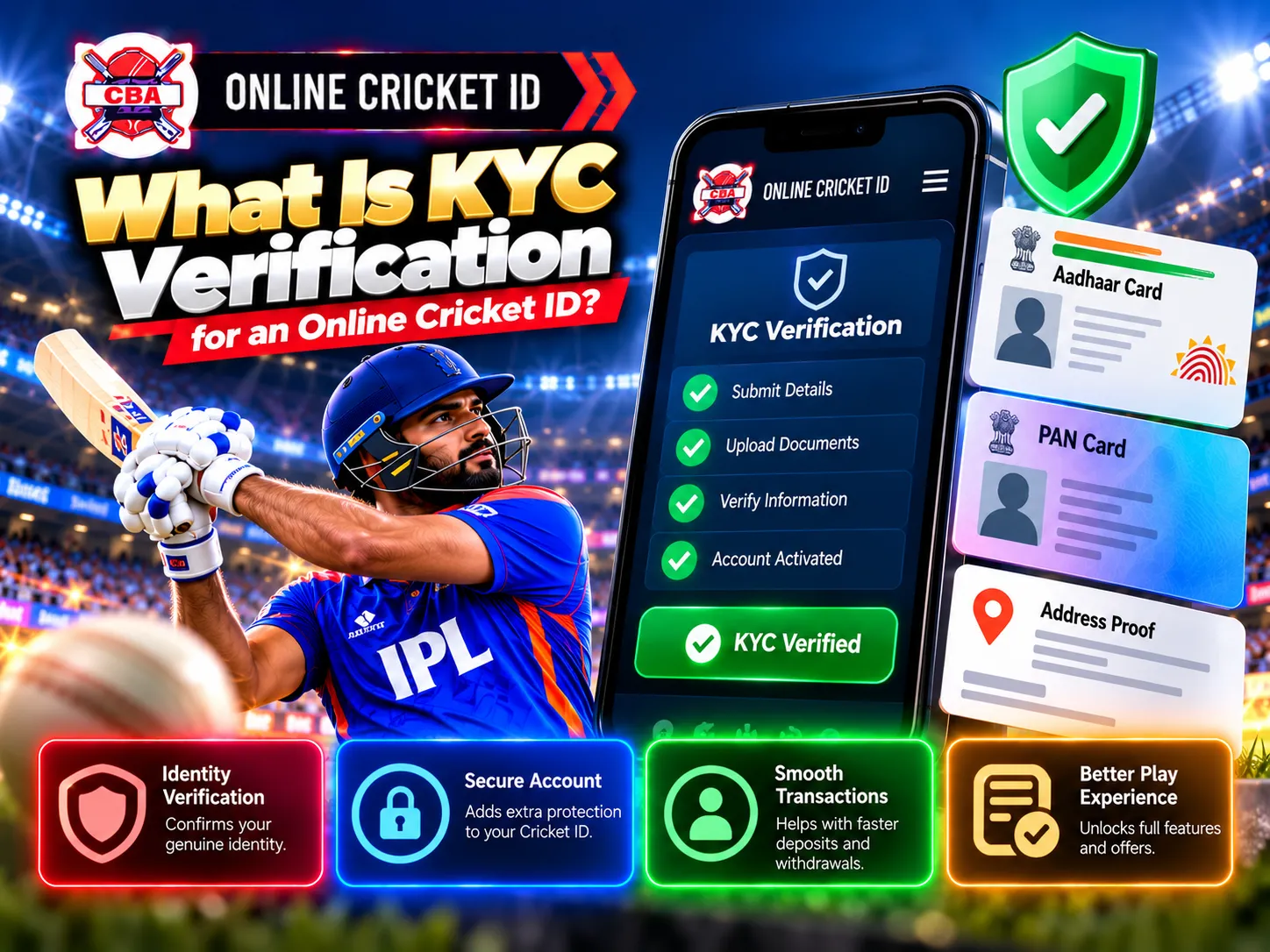
KYC stands for Know Your Customer. It refers to procedures used by organisations to verify the identity of individuals using their services.
For an online cricket ID account, KYC requirements depend on the operator, the services offered and the applicable legal framework.
Verification may involve:
A KYC check does not establish that a betting website is licensed or legally authorised. Identity verification and the legality of the underlying service are separate questions.
For a broader explanation of account types, visit our Online Cricket ID page
KYC procedures can serve several purposes for legitimate digital platforms.
Verification helps an operator determine whether an account belongs to the person claiming to control it.
Certain online services require age verification and may restrict registration based on geographic location or regulatory conditions.
Identity checks can help identify impersonation, unauthorised account access and attempts to use another person's details.
Platforms may review whether an individual has created multiple accounts contrary to their published terms.
Where financial services are lawfully provided, additional checks may be used to confirm that a payment method belongs to the authorised account holder.
Verification may be relevant when a user loses access to their registered phone number, email address or login credentials.
KYC document requirements vary by operator. Not every platform requests the same records, and some account checks can be completed without uploading identity documents.
The following table explains commonly encountered document categories.
| Document Category | Examples | General Purpose |
|---|---|---|
| Proof of Identity | PAN, passport or other accepted identification | Confirming identity |
| Proof of Address | Accepted address-bearing documents | Confirming residence |
| Age Verification | Government-issued identification containing date of birth | Establishing eligibility |
| Contact Verification | Email or mobile OTP | Verifying contact ownership |
| Account Ownership | Additional authorised account information | Resolving identity disputes |
| Payment Ownership | Limited payment-account evidence, where lawful and necessary | Confirming payment details |
Aadhaar-related verification is subject to specific legal and privacy requirements. Users should not assume that every website is entitled to demand an Aadhaar copy, number or biometric information.
Only use a verification method that is legally authorised, genuinely necessary and clearly explained by the service provider. Where an appropriate masked or limited-disclosure document is accepted, avoid exposing unnecessary personal details.
A PAN may be requested in certain financial or tax-related verification processes. Users should confirm why it is needed, which organisation is collecting it and how the information will be protected.
Some services require proof of residence to establish account eligibility or meet applicable rules.
An operator should clearly explain which documents it accepts and whether alternative verification methods are available.
Important: Never upload your identity documents through an unknown WhatsApp contact, an unverified third-party website or a suspicious document-collection link.
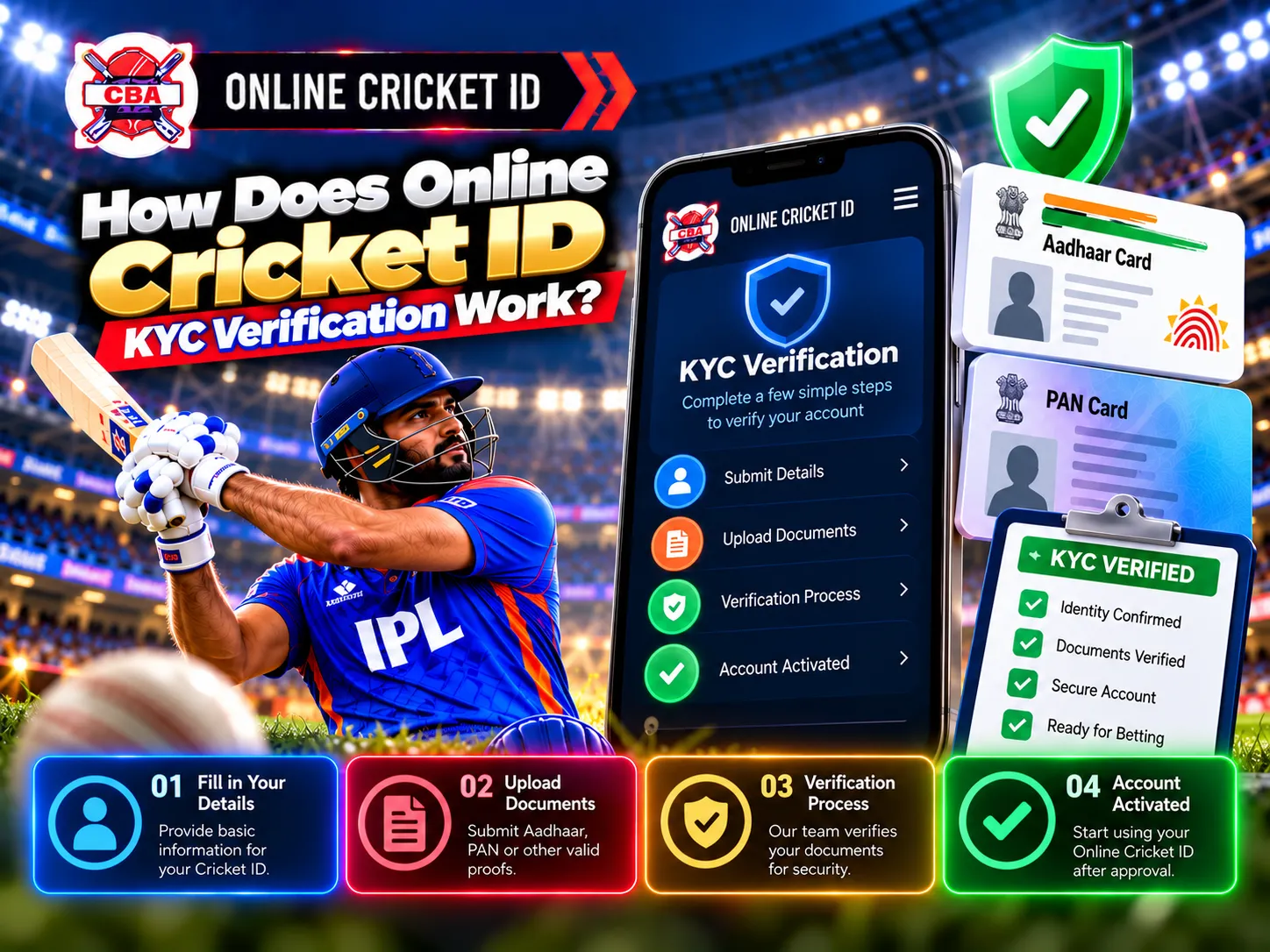
The exact process varies between operators. A typical authorised digital account verification process may involve the following stages.
Verify the website address, operator identity, privacy policy and relevant legal authorisation before sharing personal details.
Check which information is mandatory, why it is required and whether the operator offers an authorised alternative method.
Where a lawful account service is available, sign in through its official website or supported application.
Avoid login links received from unknown messaging accounts.
Provide only information that is legitimately required through the operator's designated secure process.
Do not submit passwords, banking PINs or authentication codes as part of document verification.
An operator may display a status such as Pending, Under Review, Verified or Rejected.
The meaning and timing of these statuses depend on the relevant platform.
If additional information is needed, review the official request carefully. Contact verified support if the reason for the request is unclear.
Users researching cricket ID verification status may encounter several common terms.
| KYC Status | What It Generally Means |
|---|---|
| Not Started | Verification has not been initiated |
| Pending | Information has been submitted or is awaiting review |
| Under Review | The operator is examining the available information |
| Additional Information Required | Further clarification or evidence may be requested |
| Verified | The operator has completed its stated identity checks |
| Rejected | The submission did not meet the relevant requirements |
| Expired | An earlier verification or document may require updating |
| Restricted | Some account functions may be unavailable pending review |
A status marked Verified means only that the relevant organisation has completed its stated checks. It is not a guarantee of account safety, platform legitimacy or legal permission to participate in online money gaming.
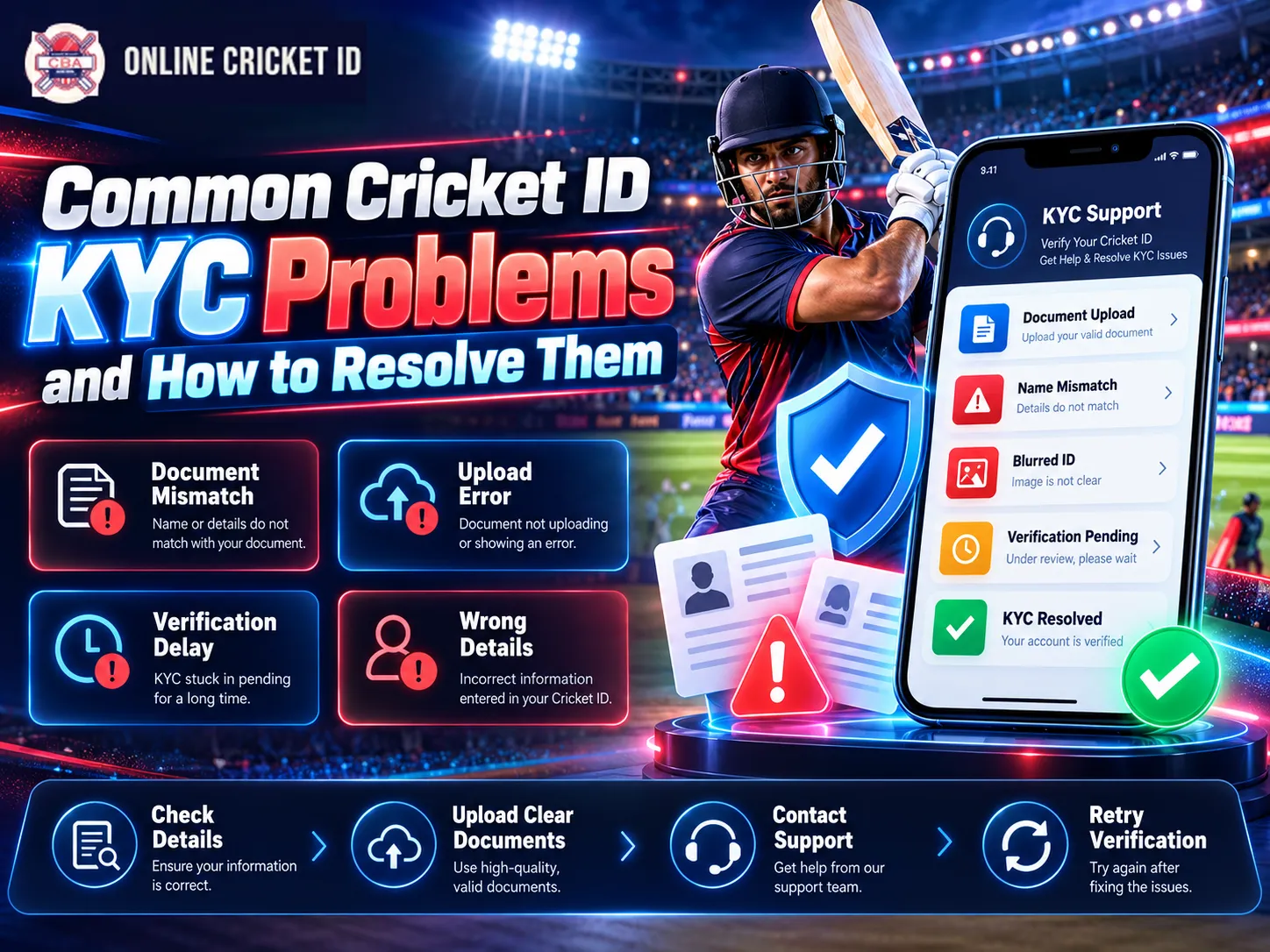
Verification difficulties may arise because of incomplete submissions, mismatched information, account restrictions or technical issues.
| Common KYC Problem | Possible Reason | Recommended Action |
|---|---|---|
| KYC verification pending | Review not completed | Check the official status and support instructions |
| Document rejected | Unreadable, expired or unsupported document | Review the stated document requirements |
| Name mismatch | Account details differ from identity records | Request correction through authorised support |
| Mobile number mismatch | Registered number differs from current contact | Follow the official contact-update procedure |
| Duplicate account detected | Another account may use the same details | Request an account ownership review |
| KYC link not working | Expired link or technical problem | Navigate to the verified website directly |
| Account locked after verification | Security or compliance restriction | Contact the operator using official channels |
| Repeated KYC requests | Incomplete review or possible impersonation | Verify the request before submitting again |
Read the rejection explanation carefully. Check whether the issue concerns an incorrect name, document format, outdated record or account eligibility.
If the reason is unclear, contact verified support. Do not repeatedly submit personal documents to different agents in an attempt to obtain faster approval.
Review the platform's published processing guidance and any outstanding requests. Verification timeframes depend on the operator and should not be assumed to be instant.
Use the official contact-recovery procedure. An operator may require additional checks before changing the contact details associated with an account.
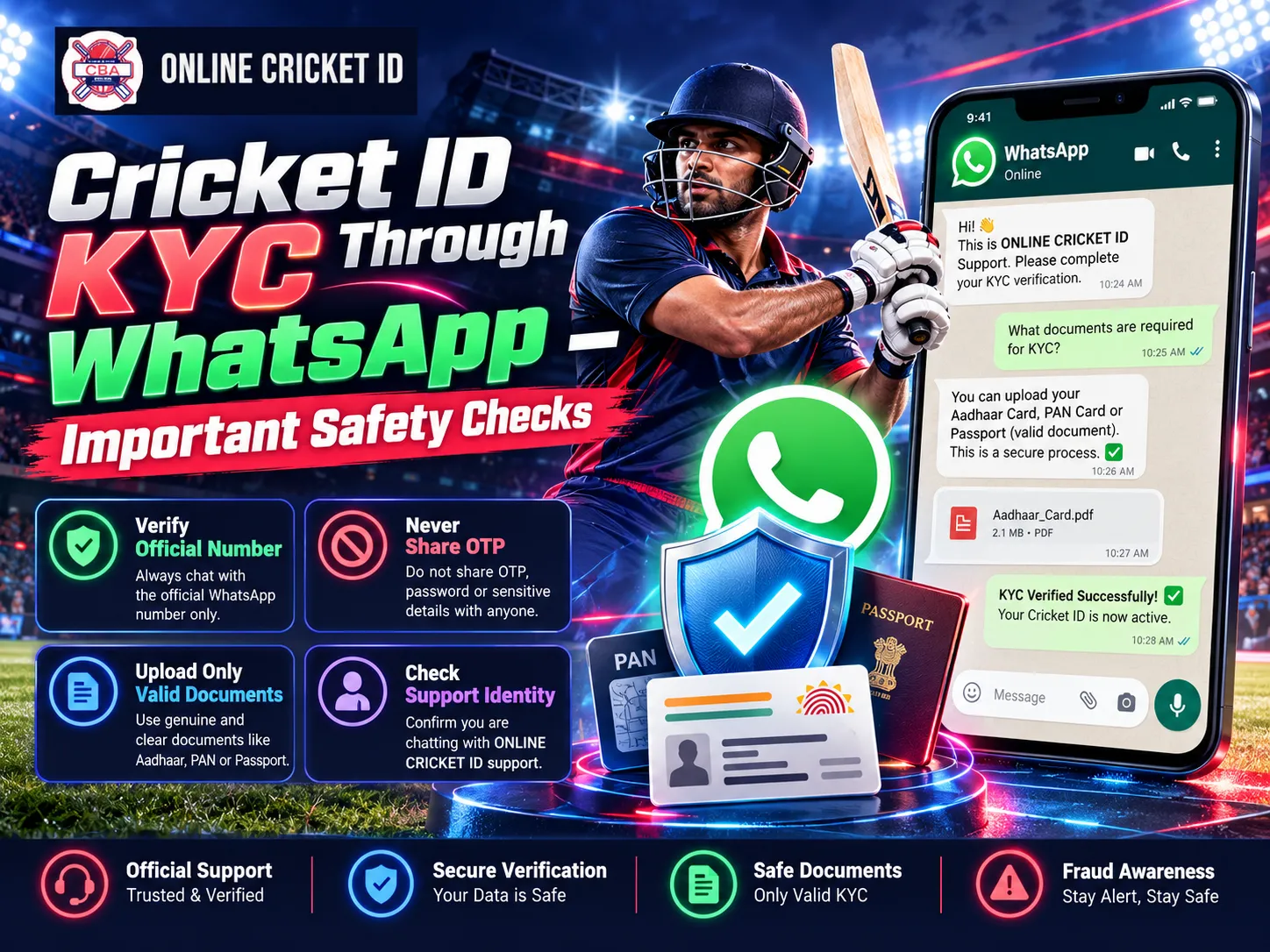
Some websites advertise Online Cricket ID KYC via WhatsApp. While messaging platforms may be used for general enquiries, sending sensitive identity documents through an unverified chat creates privacy and impersonation risks.
Before responding to a KYC request:
For questions concerning this website, use our Contact Us page.
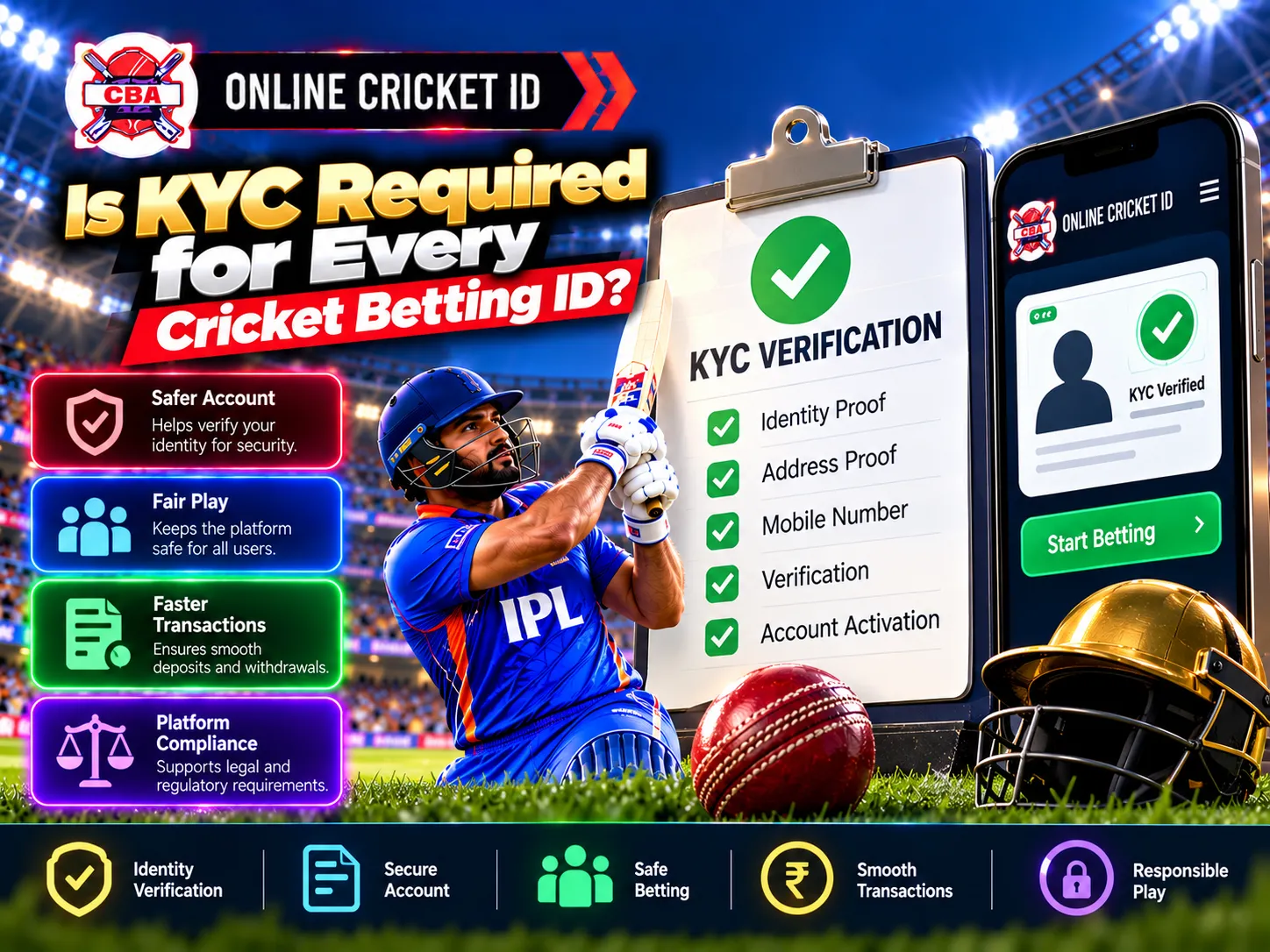
There is no universal KYC process that applies identically to every cricket-related website or account.
Requirements may vary according to the operator's services, account structure, governing jurisdiction and legal obligations.
A website claiming “No KYC Required” should not automatically be considered convenient, secure or legitimate.
Similarly, an operator requesting extensive documentation does not automatically become trustworthy simply because it uses a detailed verification process.
The more important questions are whether the service is legally permitted, whether the organisation is identifiable and whether the information requested is necessary and securely handled.
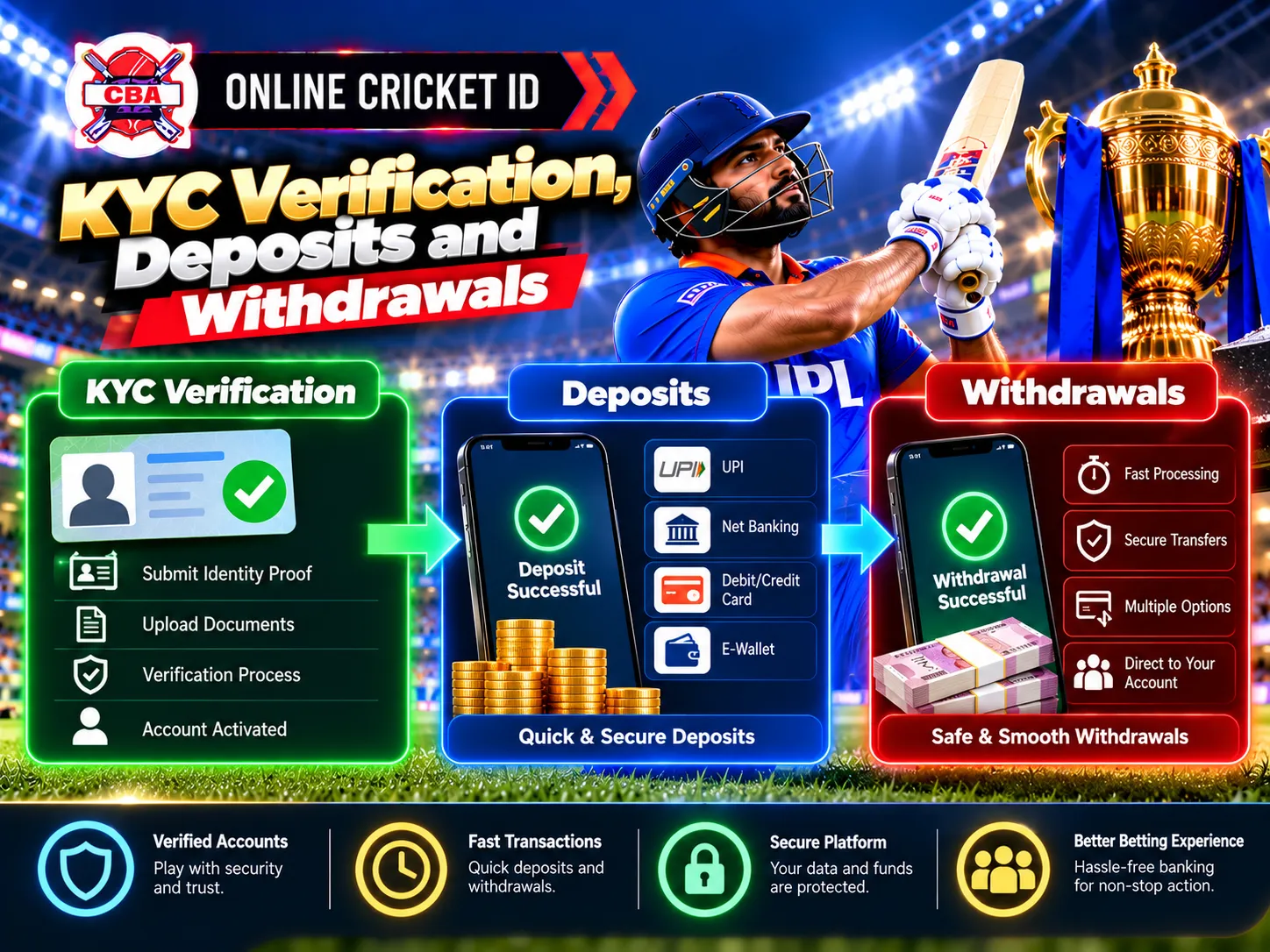
Some financial services use identity and account-ownership checks before permitting transactions. However, KYC completion does not establish that a betting transaction is lawful.
Where a platform offers legally permitted financial features, users should review:
Be particularly cautious of anyone requesting an additional transfer to “release a withdrawal,” “unlock KYC,” or “activate verified status.”
Never assume that making another payment will resolve an account restriction.
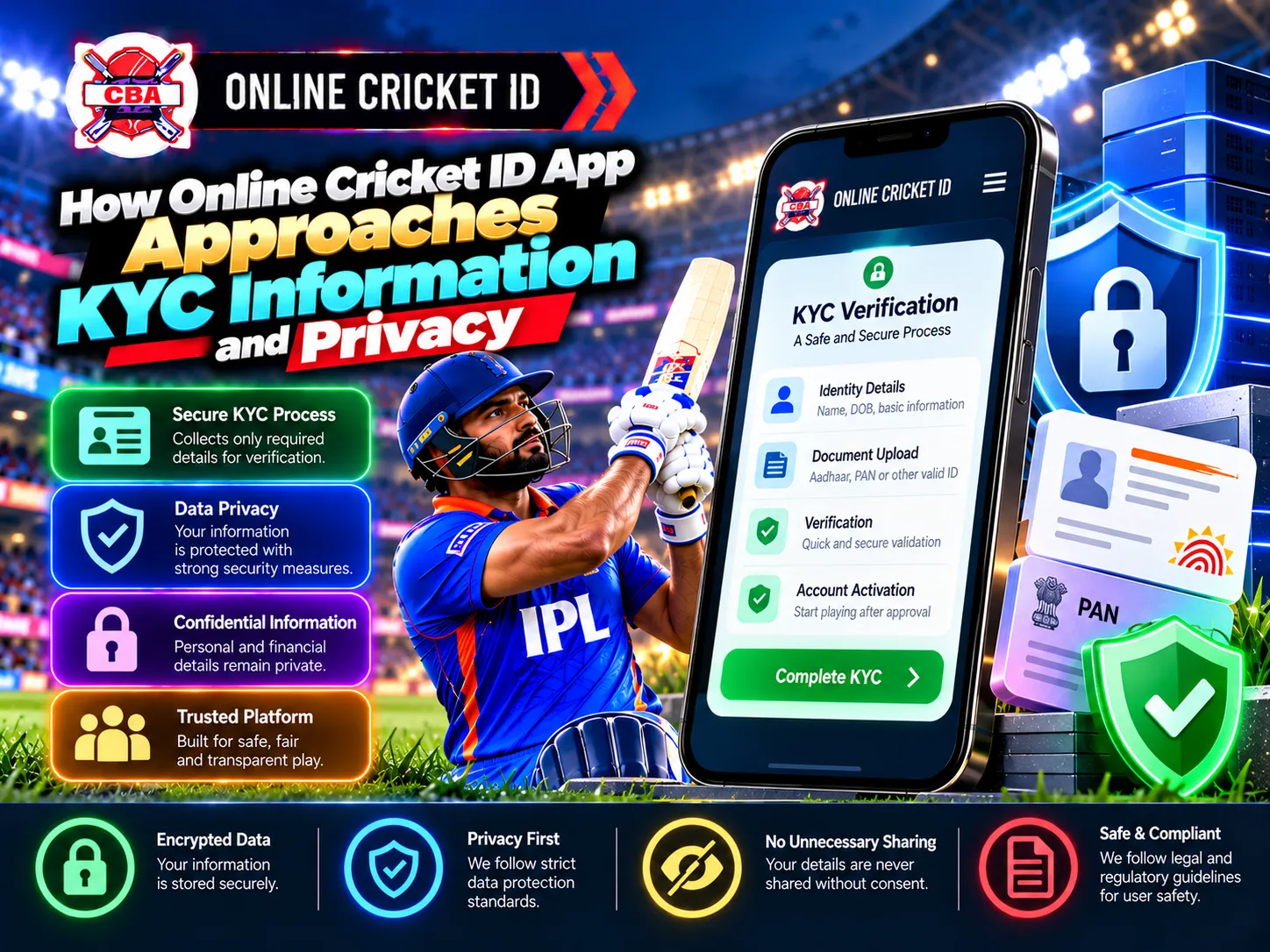
OnlineCricketID App provides educational information about KYC procedures, account verification, login security and common digital identity risks.
This page does not represent a direct KYC submission portal or establish that OnlineCricketID App can approve verification for independent platforms.
Visitors should not send identity documents, banking information or confidential account credentials to Online Cricket ID App unless a specific, lawful service clearly explains the collection purpose, responsible organisation and secure submission procedure.
To understand how website data may be collected and handled, read our Privacy Policy.
Know Your Customer checks and legal permission to use a service are separate matters.
India's Promotion and Regulation of Online Gaming Act, 2025, together with the applicable 2026 rules, prohibits online money gaming and related promotion and financial facilitation.
A cricket betting ID, overseas licence or completed KYC check does not override these restrictions.
Personal information must also be handled in accordance with applicable Indian data protection requirements, including relevant provisions of the Digital Personal Data Protection framework.
Users should distinguish ordinary identity verification for lawful digital services from attempts to obtain access to prohibited real-money gaming.

